Roof Tear-Off vs. Shingle Overlay: Making the Right Choice for Your Home
When the time comes to replace the roof on your house, the process can feel a little overwhelming. For many homeowners in Cincinnati, realizing their home needs significant work brings up a flurry of questions about materials, timelines, and exactly how much the project will cost. One of the most common debates you might encounter when gathering quotes from different roofing companies is whether to do a complete roof tear-off or a shingle overlay.
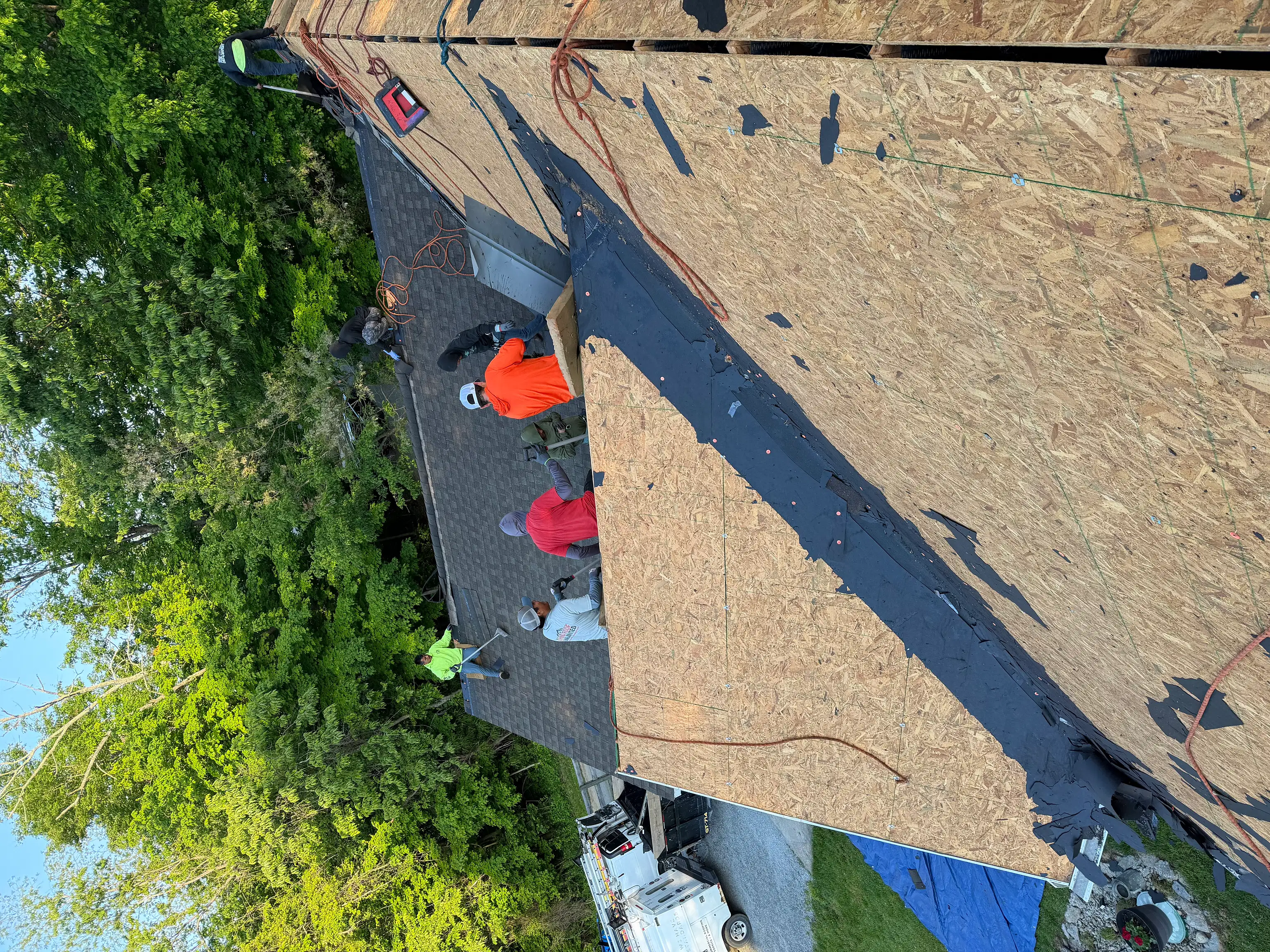
An overlay involves installing new shingles over old shingles, while a tear-off means removing the existing materials completely to expose the wooden deck underneath. Both methods have been used in the industry for decades, but modern standards and building practices lean heavily in one direction.
If you are struggling to decide which route is best for your property, understanding the long-term implications of each method is crucial. As a homeowner, you want to make an investment that protects your home, your family, and your wallet. Let's break down the differences, the pros and cons, and what you really need to know before signing off on a major home improvement project.
What is a Shingle Overlay and Why is it Tempting?
A shingle overlay is exactly what it sounds like: a contractor leaves your current roof intact and nails a brand-new layer of asphalt shingles directly on top of the old ones. The primary appeal of this method is the initial roofing cost. Because the crew does not have to spend time removing and disposing of the old materials, the labor and disposal fees are significantly lower. The project is also completed much faster, sometimes in just a single day.
However, the perceived savings often mask serious underlying issues. Installing new shingles over old ones is generally only permitted if there is only one existing layer of roofing and the old shingles lie perfectly flat. If the current shingles are curled, blistered, or missing, the new layer will not sit correctly, leading to an uneven appearance and a compromised seal against the elements.
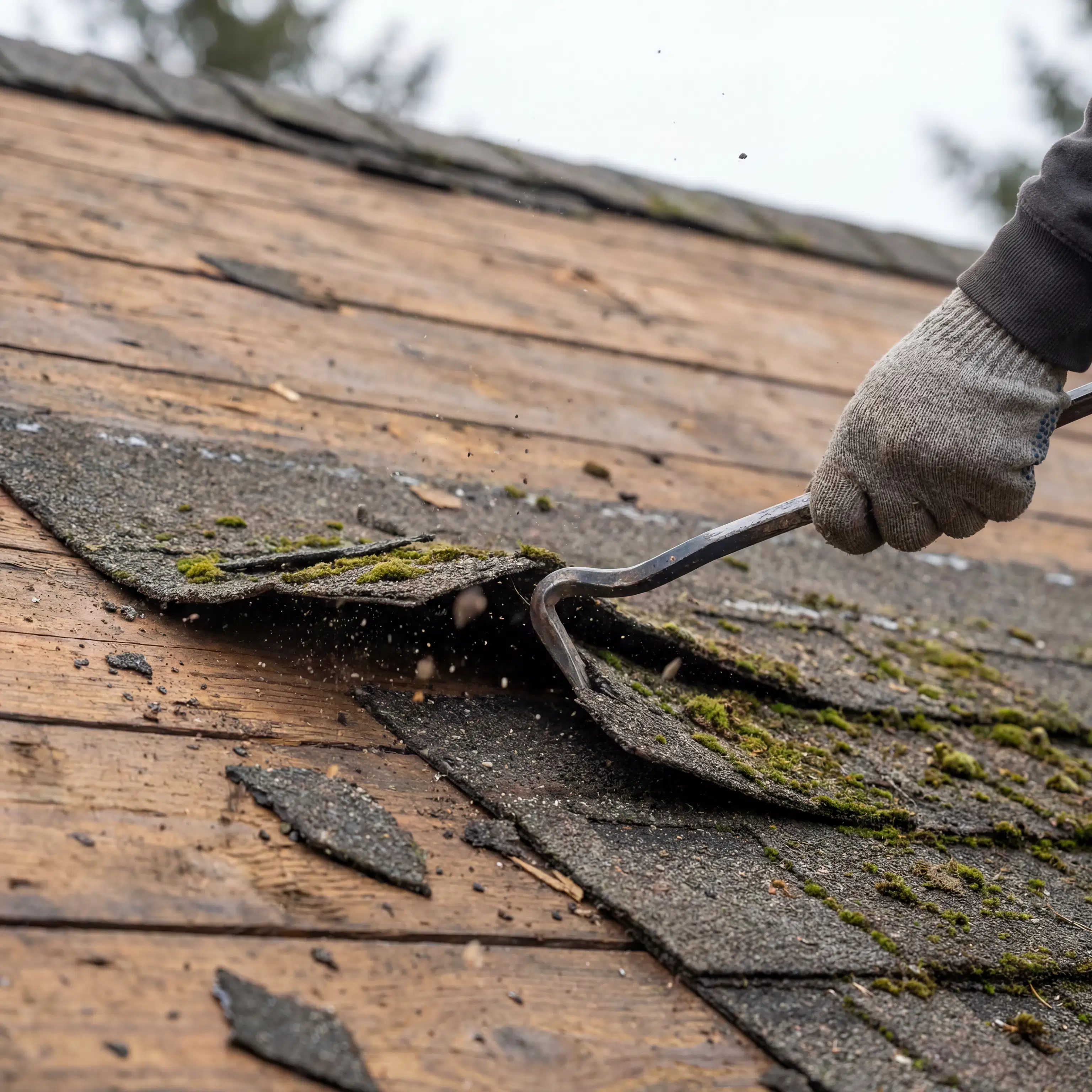
More importantly, an overlay completely hides the condition of your roof decking. If there is hidden water damage, soft spots, or wood rot underneath your current shingles, nailing a new layer on top simply traps the moisture. Over time, this unresolved damage will continue to spread, potentially leading to catastrophic leaks that require far more extensive roof repairs inside your attic and living spaces.
The Hidden Dangers: Weight Limits and Warranties
When evaluating roof tear off vs overlay pros and cons, weight is a critical factor that many homeowners overlook. Asphalt shingles are remarkably heavy. A standard bundle of shingles can weigh between 60 and 80 pounds, and a single square (100 square feet of roofing) weighs a few hundred pounds. By adding a second layer of shingles to your home, you are effectively doubling the dead weight resting on your roof trusses.
Before ever considering an overlay, you must account for the structural weight limits for shingle overlays. Many older homes were not engineered to carry the extreme burden of multiple layers of roofing, especially when you factor in the added weight of heavy winter snow or ice accumulation. Exceeding these weight limits can cause the roof deck to sag and compromise the structural integrity of your house.
Furthermore, you have to consider the warranty impact of roofing over existing shingles. Most premium material manufacturers require their products to be installed over a clean, properly prepared deck with new underlayment to qualify for their maximum warranty coverage. Because overlaid roofs retain more heat—which prematurely bakes and degrades the new shingles from underneath—manufacturers will often void or severely limit the lifespan of the warranty. If you are investing in quality roofing services, you want the peace of mind that comes with full warranty protection.
Why a Complete Tear-Off is the Superior Choice
A complete tear-off is the industry standard for high-quality roof replacement projects. While the upfront investment is higher due to increased labor and disposal costs, the long-term value is undeniable.
By stripping the roof down to its structural deck, your contractor can perform a thorough inspection of the wood. This is the only way to accurately identify and replace rotted boards, ensure proper ventilation, and install modern waterproofing barriers like ice and water shields. At 513 Roofing, our teams use advanced technology, including drone inspections, to accurately map your roof's condition and ensure every inch of the new installation is flawless.
Starting with a clean slate also ensures your new roof sits completely flat, maximizing its wind resistance and aesthetic appeal. If your home has suffered storm damage, starting fresh ensures that all compromised materials are removed, which simplifies future insurance claims and protects your property's resale value.
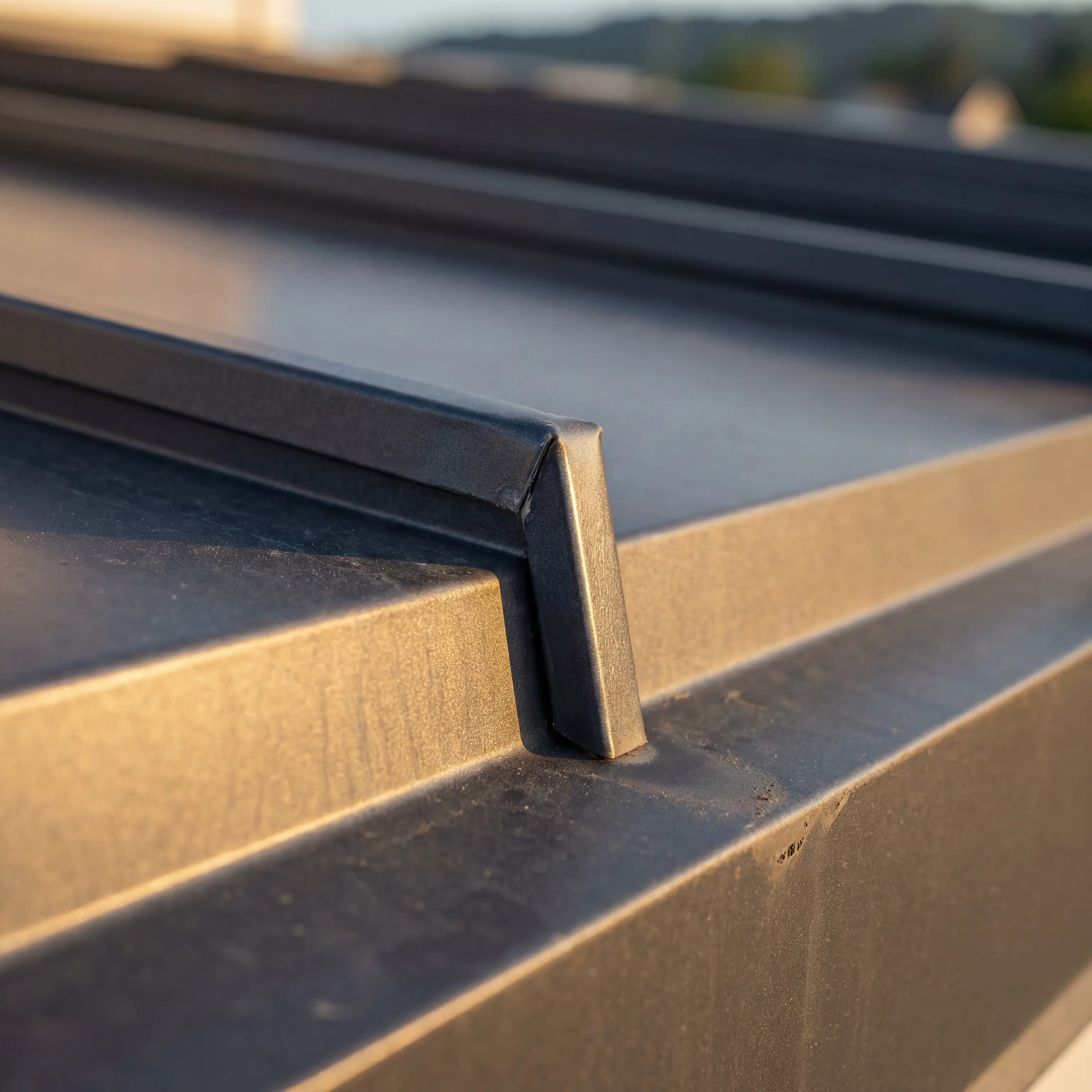
For homeowners looking to step away from asphalt entirely, a full tear-off is the perfect opportunity to upgrade. We frequently help customers transition to highly durable options like standing seam metal roofing, slate, or tile. These premium materials offer incredible longevity, better energy efficiency, and a stunning aesthetic that easily outlasts traditional shingles.
Making the Best Decision for Your Home
Ultimately, when you compare the methods, an overlay is a temporary patch, while a full tear-off is a lasting solution. When you invest in a new roof, you are investing in the safety, comfort, and structural health of your home. Taking shortcuts to save on initial labor costs often leads to expensive headaches, voided warranties, and structural risks down the line.
If you have noticed signs of wear and tear, or if you simply want to know the true condition of your home's exterior, it is essential to consult with professionals who value transparency and quality craftsmanship. We know that replacing a roof is a major commitment, which is why we offer flexible financing options and clear, detailed estimates without the guesswork.
Ready to upgrade your home in the Greater Queen City area? Contact 513 Roofing today to schedule a comprehensive drone inspection and discover the best path forward for your home's unique needs.