Protecting Your Chimney Flashing Against Winter Freeze-Thaw Damage
As the vibrant autumn leaves fall and the brisk air settles in, homeowners across the Cincinnati area know it is time to prepare for winter. While we pull out our heavier coats and ensure the heating system is ready to go, the exterior of our homes often gets overlooked until a sudden issue arises. One of the most critical, yet frequently neglected, areas of your home's exterior is the chimney—specifically the metal flashing that bridges the gap between the brickwork and your roof.
Winter weather here in the Queen City can be wildly unpredictable. We frequently bounce between freezing rain, heavy snow, and unexpectedly mild, sunny afternoons. While this variety keeps things interesting, it creates a brutal environment for your roof materials. The continuous dropping and rising of temperatures leads to a phenomenon known as the freeze-thaw cycle, which is a leading cause of mid-winter roof leaks.
Understanding how this cycle affects your home is the first step in protecting your property. In this guide, we will walk you through how temperature swings damage your masonry, what to look for when evaluating your flashing, and how taking a proactive approach can save you from stressful emergency repairs during the coldest months of the year.
The Silent Destroyer: Understanding Freeze-Thaw Damage
To understand why your chimney is so vulnerable during the winter, we have to look at the materials involved. Brick, mortar, and the specialized sealants used on your roof are naturally porous to varying degrees. When rain, melting snow, or freezing rain hits your roof, moisture naturally seeps into the microscopic surface cracks of your chimney's masonry and the seams around your flashing.
When the sun goes down and the temperature plummets below freezing, that trapped moisture turns to ice. As water freezes, it expands by about nine percent. This expansion exerts incredible pressure on the surrounding materials, slowly wedging those tiny micro-cracks slightly wider. The next day, the ice melts back into water, seeping even deeper into the newly enlarged cracks.
Over the course of a single winter, this cycle can happen dozens of times. Eventually, you are left dealing with severe freeze thaw damage to chimney masonry. The mortar joints begin to crumble, the brick faces can spall and pop off, and the crucial sealant holding your flashing tight against the brick pulls away. Once that watertight seal is broken, melting snow on your roof has a direct path into your attic, insulation, and living space. Finding out you have a leak during a heavy winter melt is incredibly stressful, which is why catching the signs early is so important.
Anatomy of a Leak: Inspecting Chimney Step and Counter Flashing
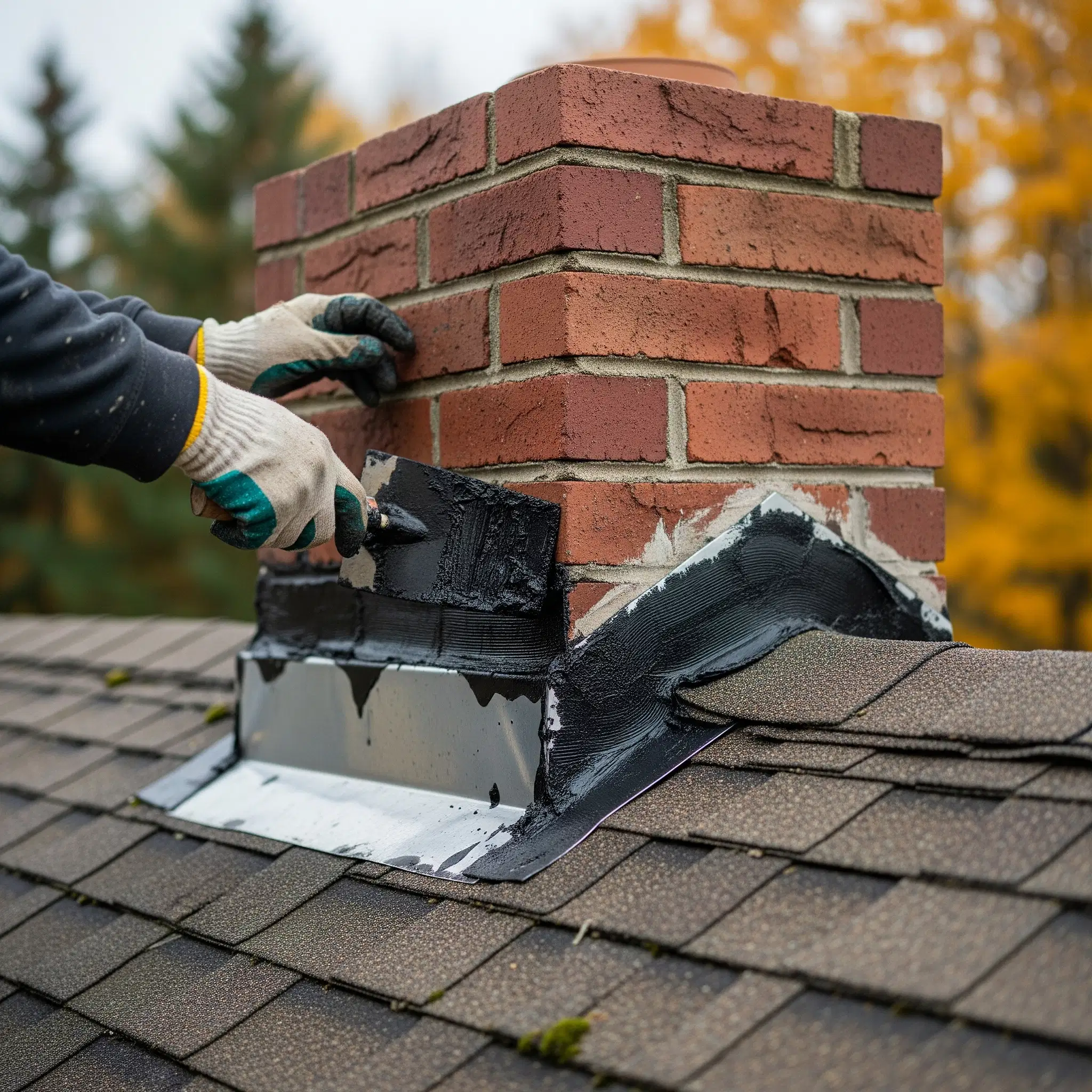
Your chimney flashing is a two-part metal system designed to allow your roof and your chimney to expand and contract independently without breaking the waterproof seal. The first layer, known as step flashing, consists of L-shaped metal pieces woven directly into your roofing shingles. The second layer, called counter flashing, is embedded into the masonry mortar joints and folds down over the step flashing to direct water away.
When inspecting chimney step and counter flashing, professionals look for a few key indicators of failure. The most obvious is pulling or separation, where the counter flashing has come loose from the mortar joints due to expanding ice. We also look for rust spots on older galvanized flashing, missing or dried-out caulking, and cracks in the brickwork immediately surrounding the metal.
It is also essential to check the very top of the structure. Repairing cracked chimney crown and flashing often goes hand-in-hand. The crown is the concrete cap that sits on top of the bricks; if the crown is cracked, water pours directly down the inside of the brick structure, saturating the masonry from the inside out and rendering even the best flashing useless. Because these areas are difficult and dangerous for homeowners to examine themselves—especially on steep or icy roofs—we heavily rely on modern drone technology. Drone-assisted roof inspections allow us to safely capture high-resolution, 3D imagery of your entire chimney system, pinpointing failing mortar and lifted flashing without causing further damage to brittle winter shingles.
Proactive Steps: Preventing Chimney Flashing Leaks in Winter
Many homeowners wonder how to know if their roof needs to be repaired or completely replaced. Often, a leak around the chimney does not mean you need an entirely new roof. If your shingles are in good condition but the masonry is failing, targeted chimney flashing and masonry work can effectively solve the problem.
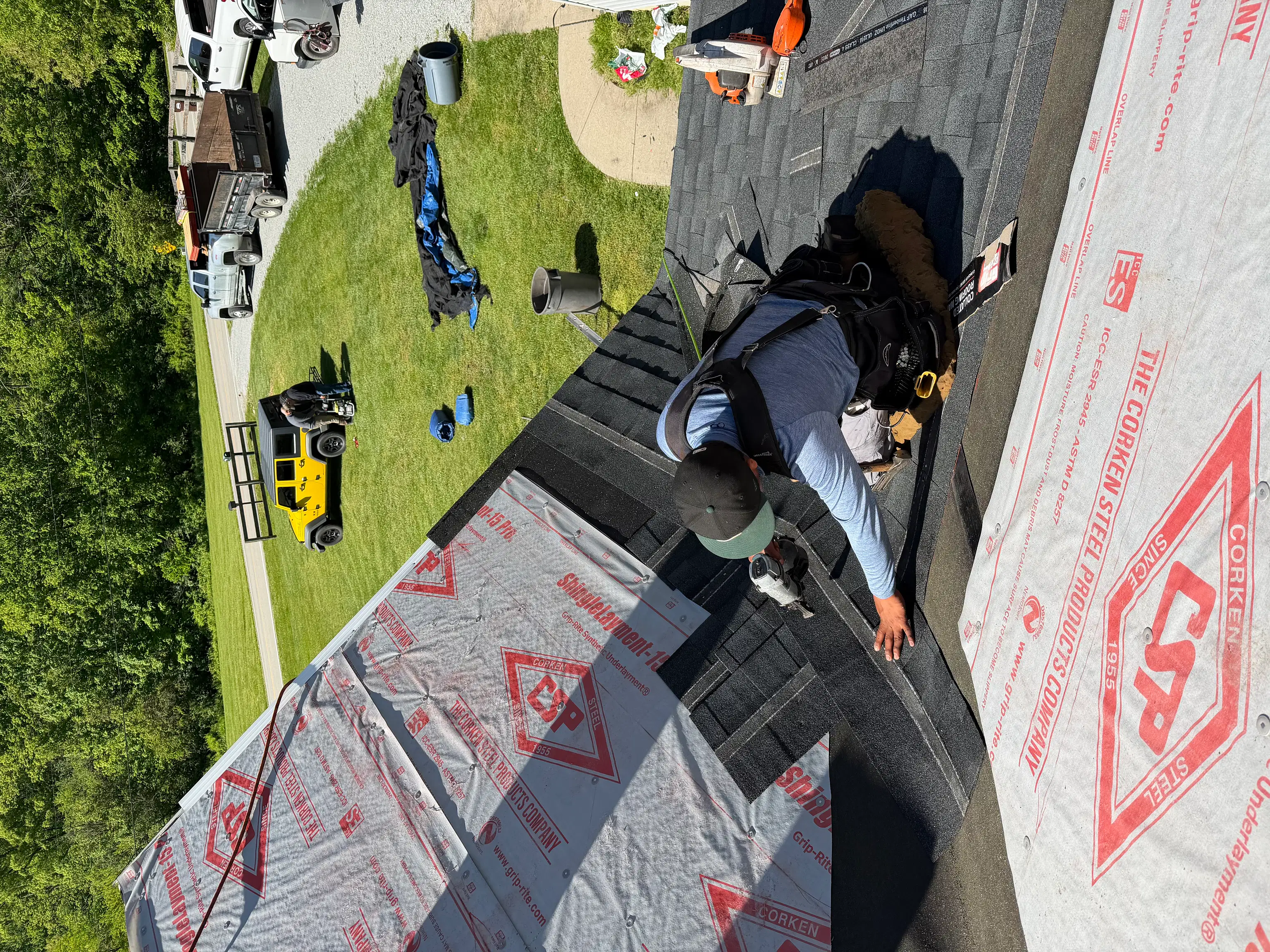
Preventing chimney flashing leaks in winter requires action before the snow actually flies. The most effective strategy is a routine inspection during the autumn months. A professional can clear away lingering debris, re-seal minor gaps with high-grade, cold-weather polyurethane sealants, and replace severely rusted counter flashing before water has a chance to penetrate the home's envelope.
Given how competitive the roofing industry is, and how expensive emergency repairs can become, the smartest financial move you can make is to shift from reactive repairs to preventative care. Enrolling in regular roof maintenance programs ensures that a trained set of eyes is evaluating your roof's most vulnerable penetration points—like chimneys, skylights, and plumbing vents—every single year. This proactive approach not only prevents interior water damage but also significantly extends the overall lifespan of your roof, helping you maximize your investment.
Securing Your Roof for the Season
Winter weather tests the limits of every home, but your chimney does not have to be a weak link. By understanding the forces of the freeze-thaw cycle and keeping a close eye on your mortar and flashing, you can stop small fractures before they turn into major indoor leaks. Protecting your home from the top down brings immense peace of mind, especially when the forecast calls for heavy snow.
At 513 Roofing, we believe in giving our neighbors transparent, accurate assessments and high-quality craftsmanship. Whether you suspect your flashing has pulled away, or you simply want to ensure your home is buttoned up tightly for the season ahead, our team is ready to help protect your investment.
Don't wait for a mid-winter thaw to reveal a hidden leak. Reach out to our team today to schedule an inspection or to learn more about our maintenance plans. Contact us to ensure your home stays dry, warm, and secure all winter long.