Navigating Roofing Permits and Building Codes in the Queen City
Replacing your roof is one of the most significant investments you will make in your home. Between choosing the right materials, managing your budget, and finding a contractor you can genuinely trust, the process can feel a bit overwhelming for any homeowner. Add building permits, local regulations, and historic guidelines to the mix, and it is easy to see why many people feel stressed before the project even begins. If you live in Cincinnati, understanding the local building codes is crucial for ensuring your new roof is safe, legal, and built to last.
Building codes and permit requirements are not just bureaucratic red tape; they exist to protect you, your family, and your property. A roof installed without the proper permits or in violation of local codes can lead to hefty fines, complications when you try to sell your home, and even denied homeowners insurance claims if a storm causes damage down the line.
At 513 Roofing, we believe that an informed homeowner is an empowered homeowner. We want to pull back the curtain on the regulatory side of the industry so you know exactly what to expect. Whether you are dealing with sudden storm damage or planning a long-overdue upgrade, this guide will help you understand the permit requirements and building codes that govern your next exterior project.
Do You Really Need a Permit for a Roof Replacement?
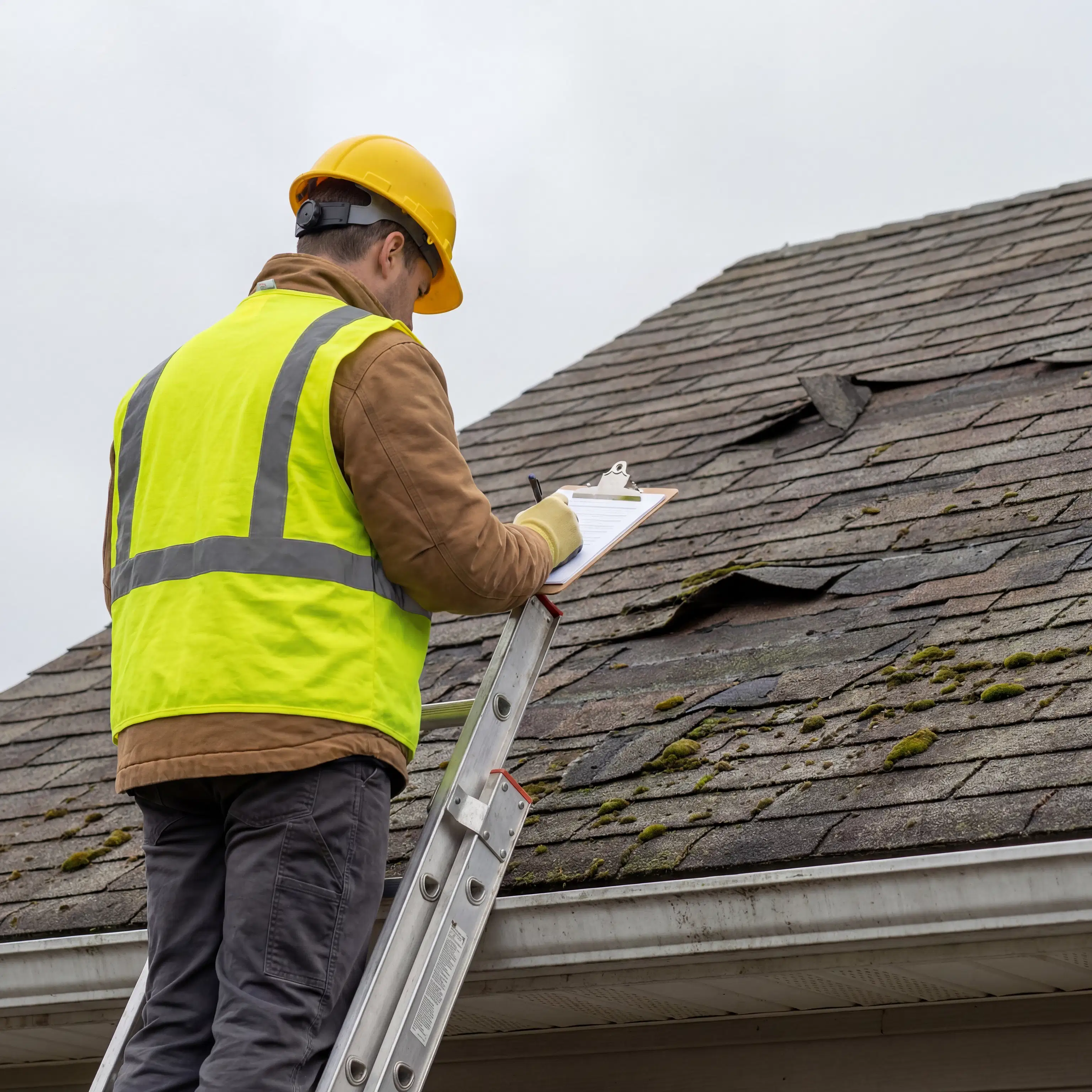
One of the most common questions we hear from homeowners is whether they actually need a building permit to fix their roof. The short answer is that it depends entirely on the scope of the work being performed. While minor patching or replacing a few blown-off shingles might not require official paperwork, a complete tear-off and installation absolutely does require a permit in Hamilton County and the surrounding areas.
When you undertake a full replacement, local building departments need to verify that the structural integrity of your home can support the new materials and that the installation meets current safety standards. For example, there are strict Ohio building code ice and water shield requirements that contractors must follow. Ohio Valley Weather brings unpredictable spring rains and freezing winters, leading to rapid freeze-thaw cycles. Because of this, local codes strictly enforce the use of waterproof underlayments along the eaves and valleys of your roof to prevent ice dams from causing severe interior leaks.
Failing to adhere to these updated codes can leave your home vulnerable to water damage and structural rot. When you schedule Roof replacement & new installations with a reputable local contractor, they will handle the entire permitting process for you. They will submit the necessary paperwork, schedule the required municipal inspections, and ensure that every layer of your new roof meets or exceeds state and local standards.
Special Rules for Historic Neighborhoods
If you own an older home in OTR, Clifton, or Hyde Park, you already know that maintaining its original architectural charm is a labor of love. However, when it comes time for an exterior upgrade, historic district roofing material regulations can significantly complicate the process. Historic conservation boards have strict guidelines designed to preserve the visual character of these neighborhoods, which means you cannot simply install standard asphalt shingles on a home that historically featured slate or tile.
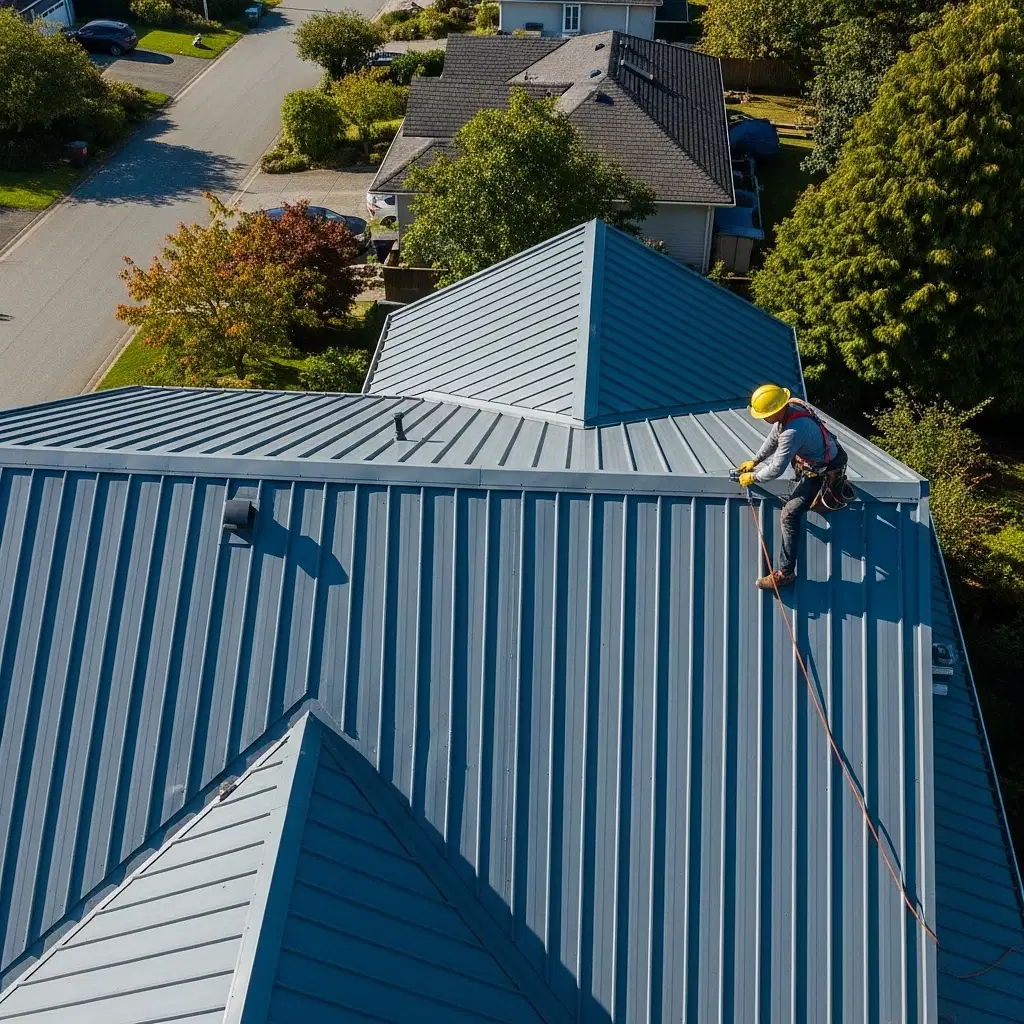
Navigating these strict local guidelines requires a contractor who specializes in premium materials. For historic homes, materials like natural slate, clay tile, and copper detailing are often required to pass architectural review. Additionally, many homeowners in these areas are opting for standing seam metal roofing, which offers incredible durability and a clean aesthetic that often meets historic approval for specific architectural styles.
Before beginning any work on a historic property, it is vital to have a thorough evaluation. Professional Roof inspections & assessments will help determine the condition of your underlying decking, which is especially important for heavy materials like slate and tile. A knowledgeable contractor will work directly with the historic board, providing material samples and detailed project plans to ensure your home remains compliant while receiving the modern protection it needs.
Verifying Licenses and Handling Insurance Claims
After severe weather rolls through our region, it is unfortunately common to see out-of-state contractors knocking on doors. This makes many homeowners rightfully skeptical, as these storm chasers often perform subpar work and disappear before the first leak appears. Knowing how to verify roofing contractor license credentials is your first line of defense. Always ask for proof of local licensing, bonding, and comprehensive liability insurance. A legitimate contractor will gladly provide this documentation and will have a physical local address.
When dealing with wind or hail damage, you also have to navigate the complexities of your homeowners insurance policy. Many people wonder if their insurance will cover the damage and how to ensure the payout covers the cost of a code-compliant replacement. Working with a local team that provides Storm damage & insurance claim assistance ensures that all necessary code upgrades—like the required ice and water shields—are properly documented and submitted to your adjuster.
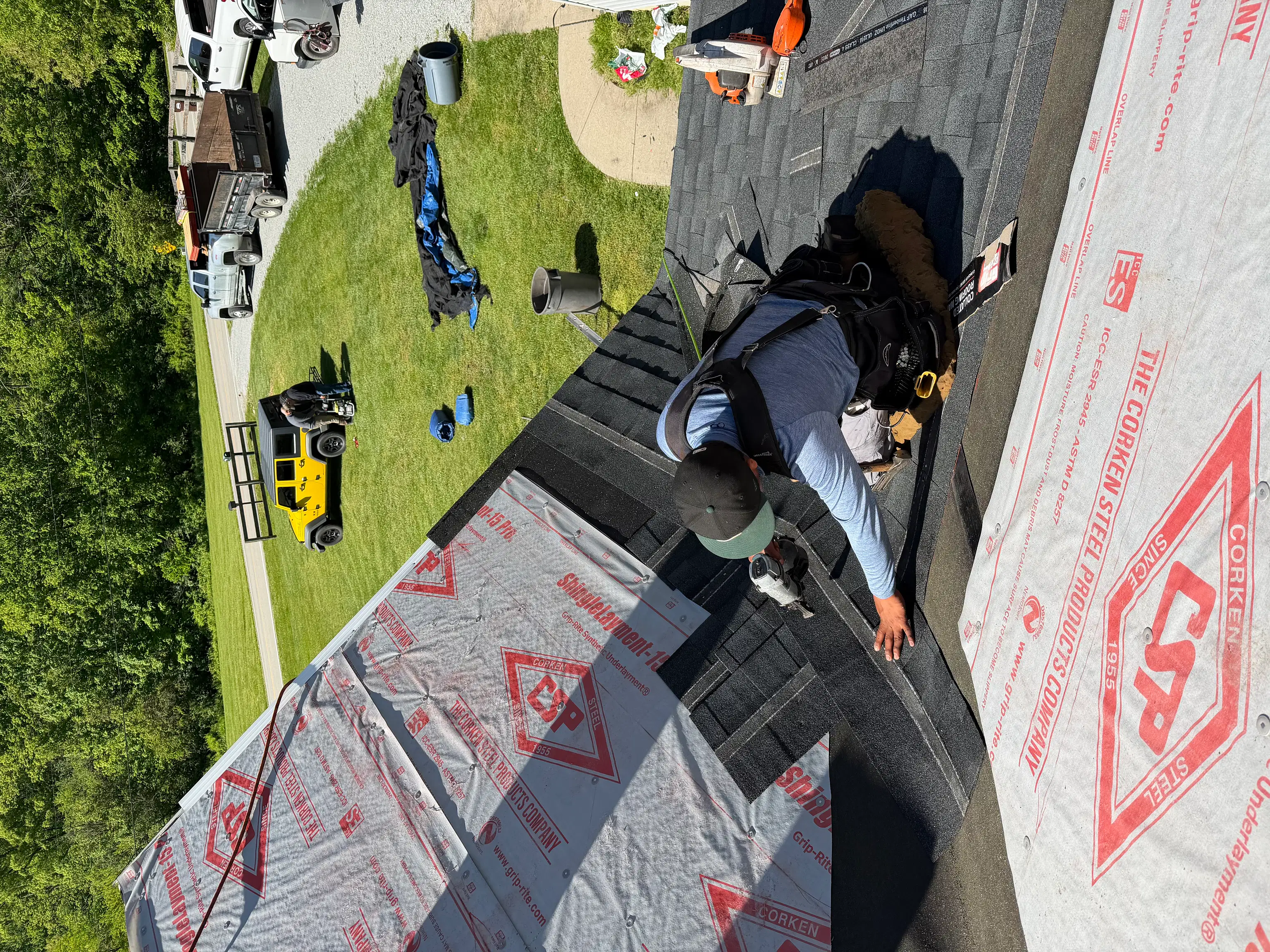
Beyond the paperwork, a major concern for homeowners is the disruption a large project brings to their daily lives. A professional local crew understands this. From the moment the materials arrive to the final sweep of the yard, property protection should be a top priority. This means laying down tarps to protect your landscaping, managing the crew efficiently to minimize noise, and using magnetic sweepers to ensure absolutely no stray nails are left behind in your driveway or lawn.
Let Us Handle the Red Tape
Upgrading your home should be an exciting process, not a stressful battle with municipal codes and permit applications. By partnering with an experienced, locally owned company, you can rest easy knowing that every regulation is being followed, every permit is pulled, and your property is being treated with the utmost respect.
At 513 Roofing, we specialize in high-quality installations, including standing seam metal, tile, and slate, and we know the local building codes inside and out. We take pride in protecting homes across The Tri-State with durable, beautiful materials and a commitment to transparent, hassle-free service. If you are ready to discuss your next project or need help navigating an insurance claim, reach out to us today to schedule a comprehensive evaluation.