Help! My Roof is Leaking: A Homeowner's Guide to Cincinnati Summer Storms
The familiar rumble of thunder rolls in, the sky darkens, and another summer storm unleashes its fury across the Tri-State. While the rain can be a welcome relief from the heat, it can also bring a homeowner's worst nightmare to light: the sudden drip... drip... drip of a new roof leak. That sinking feeling of seeing a water stain appear on your ceiling is a stressful experience no one wants. When a storm hits, you need a clear plan, not panic.
At 513 Roofing, we understand the urgency and concern that comes with a leaking roof. We've seen firsthand how quickly a small issue can escalate. This guide will walk you through the immediate steps to take to protect your home, how to assess the situation, and why professional help is your best defense against the unpredictable weather here in the Queen City.
Step 1: Immediate Action to Minimize Interior Damage
Before you even think about getting on the roof, your first priority is to control the situation inside your home. Acting quickly can save you thousands in repairs to drywall, paint, flooring, and personal belongings. Follow these critical first steps:
- Contain the Water: Place buckets, pans, or even trash cans directly under the leak to catch the dripping water. If the drip is splattering, place an old towel or t-shirt in the bottom of the bucket to absorb the impact and prevent splashing.
- Protect Your Valuables: Move any furniture, electronics, rugs, and irreplaceable items out of the affected area immediately. Water can travel, so give the area a wide berth.
- Relieve Water Pressure (If Necessary): If you see a bulge or bubble forming in your ceiling, it's a sign that water is pooling. This puts immense strain on the drywall and could lead to a collapse. Place a bucket underneath the bulge and carefully puncture the center with a small screwdriver or nail. This will allow the water to drain in a controlled way, preventing a much larger mess.
- Document Everything: Once the immediate threat is managed, grab your phone. Take clear photos and videos of the leak, the ceiling damage, and any affected belongings. This documentation is crucial when you file an insurance claim.
Step 2: Understanding the Cause of the Storm-Related Leak
Once the interior is secure, the next question is, "Where is the water coming from?" It's important to remember that where the water enters your living space is often not directly below where the breach is on your roof. Water can travel along rafters and insulation before finding a place to drip through. Summer storms in our region typically cause leaks in a few common ways:
- High Winds: Strong gusts can lift, curl, or completely tear off shingles, exposing the underlayment and decking to rain.
- Hail Damage: Hailstones can create cracks, dents, and punctures in roofing materials, compromising their ability to shed water.
- Flashing Failures: The metal seals around chimneys, vents, skylights, and valleys are vulnerable points. Storms can damage or loosen this flashing, creating a direct path for water entry.
- Debris and Clogged Gutters: Heavy rain can wash leaves and branches into your gutters, causing them to clog and overflow. When water can't drain properly, it can back up under the edge of your roof shingles.
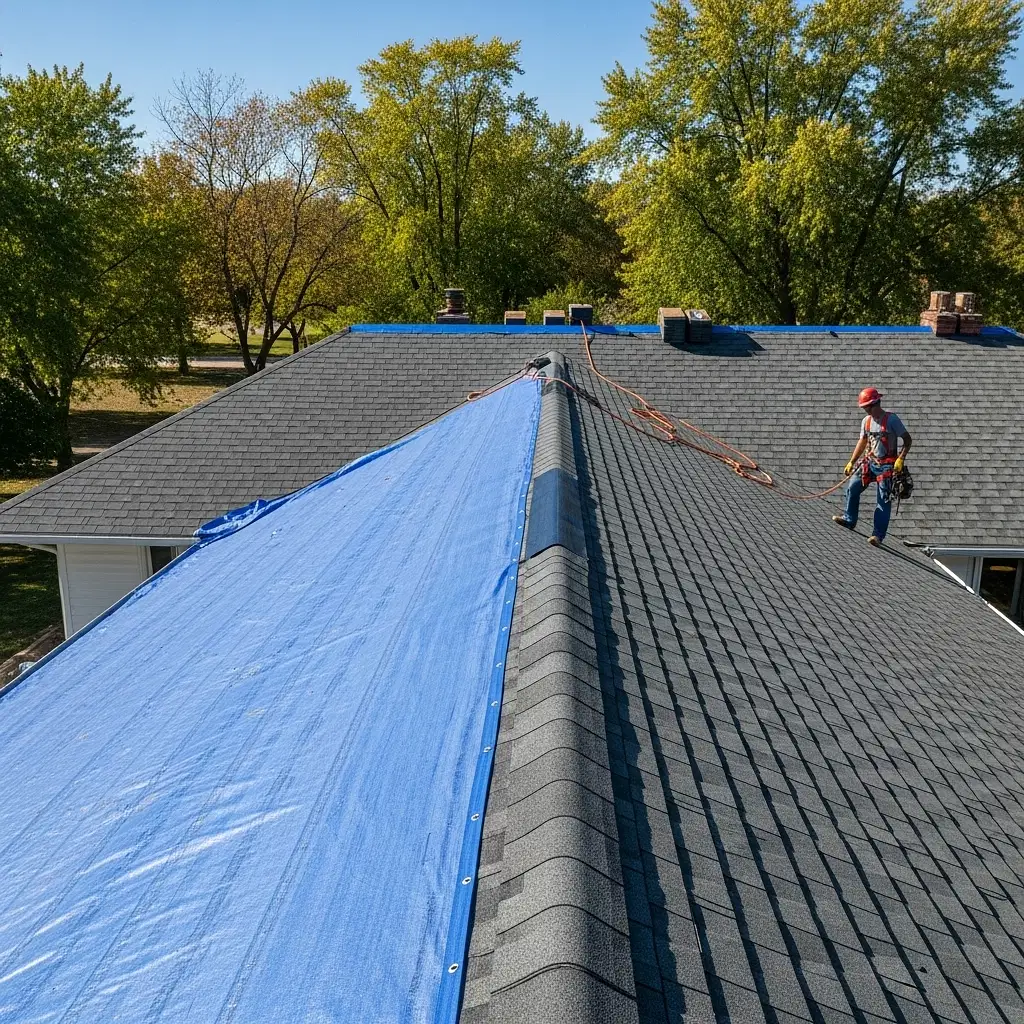
While it might be tempting to investigate yourself, climbing on a wet roof is extremely dangerous. A professional roof inspection and assessment is the safest and most effective way to pinpoint the exact source of the problem. We utilize advanced technology, including drones, to get a detailed and accurate view of your entire roofing system without putting anyone at risk.
Step 3: The Importance of Professional Emergency Repairs
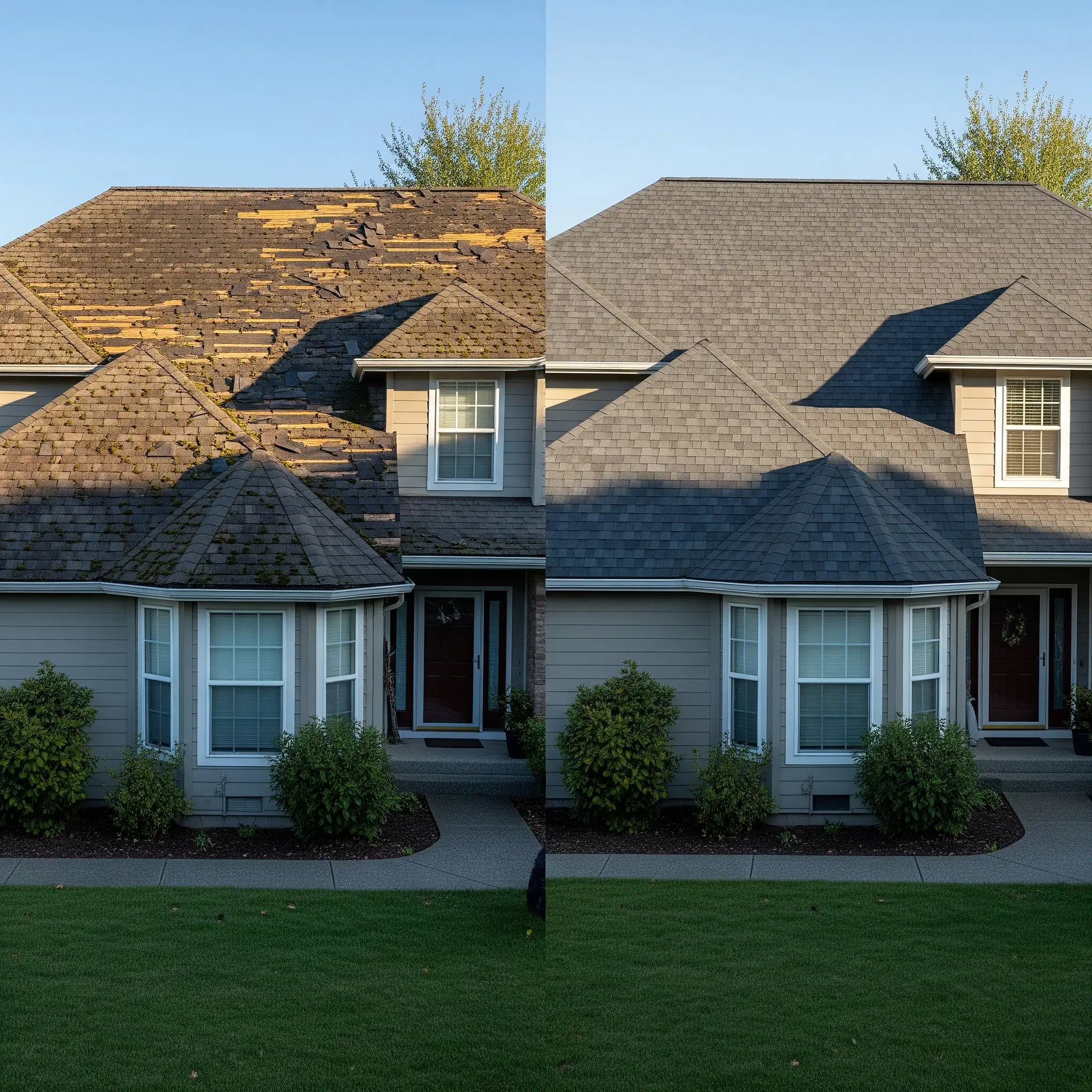
In a roofing emergency, a quick fix is essential to prevent further damage. This is where professional emergency roofing services come in. Our first step is often to apply an emergency tarp or other temporary covering to stop the leak and protect your home from any subsequent rainfall. This gives you peace of mind while a permanent solution is planned.
While a tarp is an effective stopgap, it is not a long-term solution. Delaying a proper roof repair can lead to more severe issues, including:
- Structural Damage: Persistent moisture can rot the wooden roof deck, rafters, and ceiling joists.
- Mold and Mildew Growth: Trapped moisture in your attic and walls creates the perfect breeding ground for mold, which can pose serious health risks.
- Compromised Insulation: Wet insulation becomes compressed and ineffective, leading to higher energy bills.
A professional repair ensures that the underlying issue is fixed correctly using the right materials and techniques, restoring the integrity of your roof and often coming with a workmanship warranty for your protection.
Navigating the Insurance Process with a Trusted Partner
Dealing with a roof leak is stressful enough without the added complexity of an insurance claim. The good news is you don't have to handle it alone. Having an experienced local roofer on your side can make all the difference.
At 513 Roofing, we provide expert storm damage and insurance claim assistance. We work with homeowners throughout the process, from the initial damage documentation to meeting with the insurance adjuster on-site. Our goal is to ensure that all storm-related damage is accurately identified and that your claim covers the full scope of the necessary repairs to bring your roof back to its pre-storm condition.
Don't Let a Summer Storm Ruin Your Home
Summer storms are a fact of life in Cincinnati, but a leaking roof doesn't have to be a catastrophe. By taking swift action to control the damage and calling in a trusted professional, you can protect your home and your peace of mind.
If you're facing a roof leak after a storm, don't wait for the problem to get worse. Contact 513 Roofing today for a prompt and professional evaluation. We're here to provide reliable emergency services, expert repairs, and guidance through the entire process.