Don't Let Winter Win: A Homeowner's Guide to Preventing Ice Dams in the Tri-State
Winter in the Cincinnati area can be beautiful, with snow blanketing our iconic Seven Hills and creating a picturesque landscape. But for homeowners, that same snow can hide a serious threat to your roof's integrity: ice dams. These thick ridges of ice at the edge of your roof might look like a normal part of a Cincy winter, but they can cause significant water damage to your ceilings, walls, and insulation. Understanding what causes them is the first step to protecting your most valuable asset. At 513 Roofing, we believe in empowering homeowners with the knowledge to prevent problems before they start. This guide will walk you through why ice dams form, how to spot them, and what you can do to keep your home safe and dry all season long.
What Causes Ice Dams? It's More Than Just Snow
Many people believe that ice dams are simply a result of heavy snowfall, but the root cause actually starts inside your home. An ice dam forms when there's an uneven temperature across your roof's surface, a common issue during our region's freeze-thaw cycles. Here’s how it happens:
- Heat Escapes: Warm air from your living spaces leaks into the attic. This is often due to inadequate insulation or unsealed air gaps around light fixtures, vents, or attic hatches.
- Snow Melts: This escaping heat warms the underside of your roof deck, causing the snow on top to melt, even when the outside temperature is below freezing.
- Water Refreezes: The melted snow flows down your roof until it reaches the cold eaves and gutters, which are not warmed by the escaping heat. Here, the water refreezes, creating a small ridge of ice.
- A Dam is Formed: As this cycle continues, the ridge of ice grows larger, forming a dam. Water from newly melted snow pools behind it, unable to drain properly.
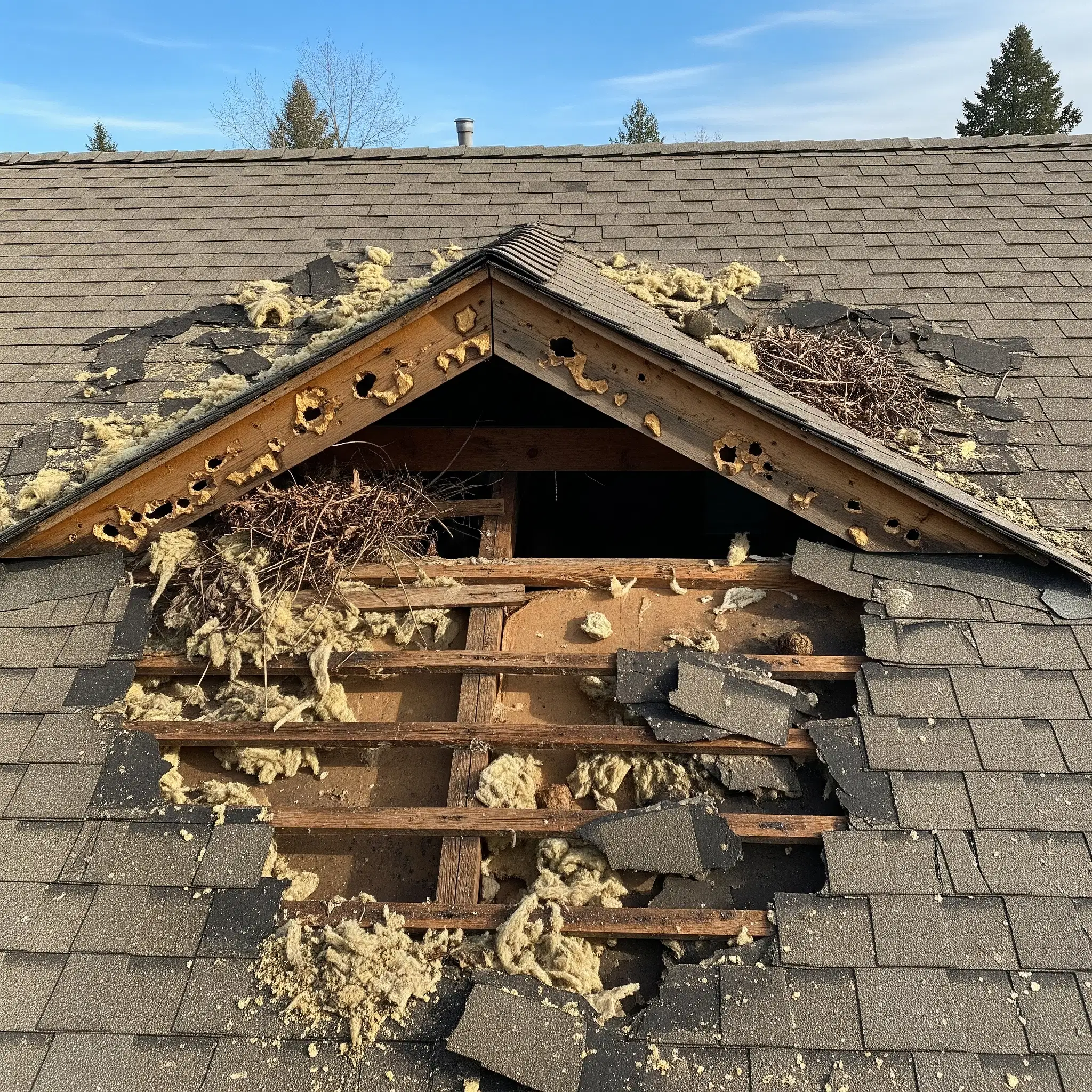
This trapped water has nowhere to go but up, seeping underneath your shingles and potentially leaking into your attic and home. Essentially, an ice dam is a clear sign that your home has issues with heat loss, insulation, or ventilation.
The Telltale Signs: How to Spot a Problem Early
Catching an ice dam issue early can save you from costly and stressful repairs. While some signs are obvious, others can be more subtle. Keep an eye out for these warning signals both inside and outside your home.
Exterior Warning Signs:
- Thick Ridges of Ice: A noticeable, thick band of ice along the eaves of your roof is the most classic sign.
- Icicles Behind the Gutter: If you see icicles forming between the gutter and the house or dripping from your soffits, it's a strong indicator that water is overflowing the dam.
- Unusually Large Icicles: While some icicles are normal, exceptionally large ones forming only on the roof's edge (and not just from the gutter) suggest a significant amount of water is freezing there.
Interior Warning Signs:
- Water Stains: Look for damp spots or discoloration on ceilings and walls, particularly along exterior walls.
- Peeling Paint: Moisture seeping into your walls can cause paint to bubble or peel.
- Damp Insulation: If it's safe to do so, check your attic for wet or compressed insulation near the eaves.
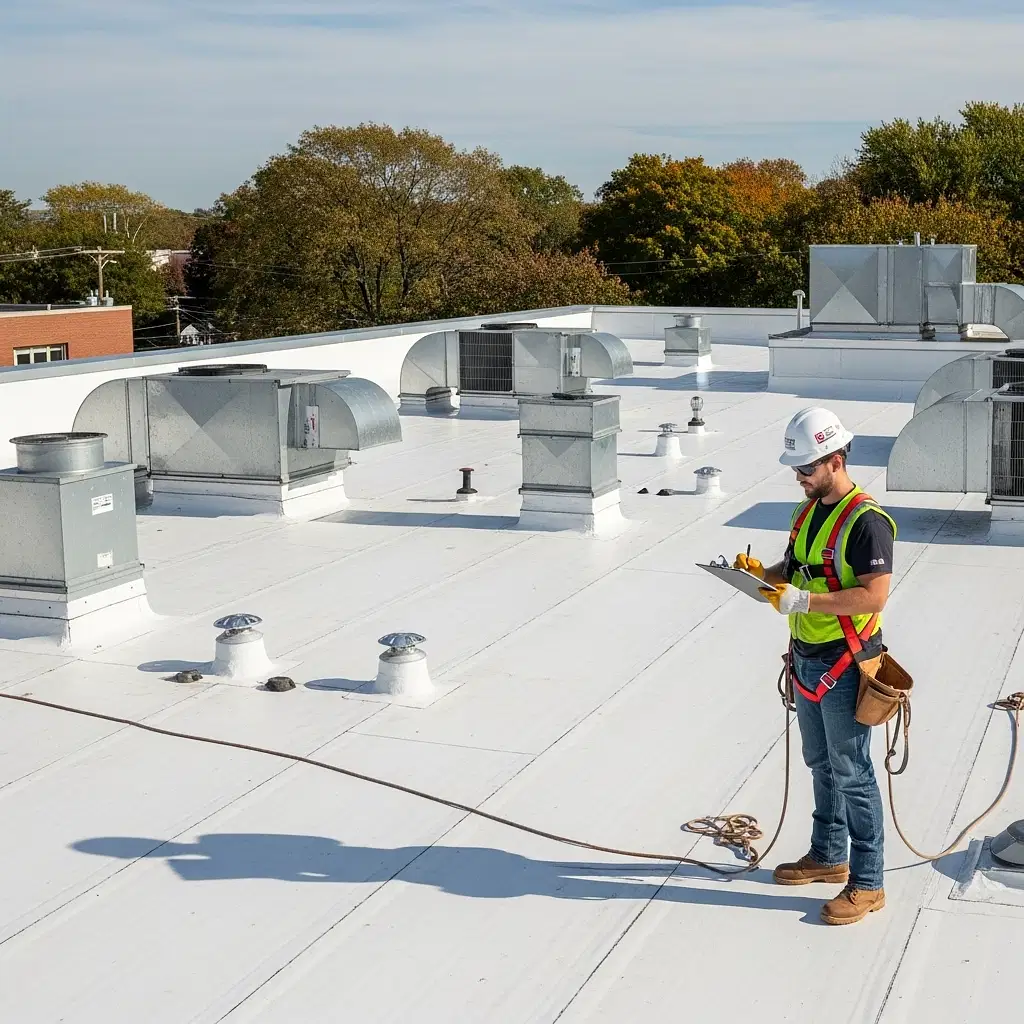
If you notice any of these signs, it's crucial to act. A professional roof inspection and assessment can safely determine the extent of the problem and identify the underlying causes without putting you or your home at risk.
Your Winter Roof Maintenance Checklist for Prevention
The best way to deal with ice dams is to prevent them from forming in the first place. By taking a few proactive steps, you can ensure your roof is ready to handle whatever winter throws at it. The goal is to keep your entire roof the same temperature as the outdoor air.
- Improve Attic Insulation: This is the most critical step. Proper insulation on the attic floor prevents warm air from reaching the underside of your roof. Ensure it's evenly distributed and meets or exceeds current building code requirements for our climate.
- Ensure Proper Ventilation: A well-ventilated attic allows cold air to circulate, keeping the roof deck cool. This typically involves a system of soffit vents (at the eaves) and ridge vents (at the peak) that work together to move air through the space.
- Seal Air Leaks: Before winter sets in, seal any gaps that could allow warm air to escape into the attic. Common culprits include attic access hatches, plumbing vents, recessed lighting fixtures, and furnace flues.
- Keep Gutters Clean: While clogged gutters don't cause ice dams, they can make them worse by preventing meltwater from draining properly. Clean them thoroughly after the leaves have fallen.
For homeowners who want peace of mind, our roof maintenance programs can help identify and address these potential issues before they become major problems.
Emergency! What to Do If You Already Have an Ice Dam
If you already have a large ice dam and are concerned about leaks, it's important to proceed with caution. Improper removal can cause more harm than good.
What NOT to do:
- Don't chip it away: Hacking at the ice with a shovel, hammer, or axe will almost certainly damage your shingles and gutters.
- Don't use salt: Rock salt or calcium chloride can be corrosive, damaging your roofing materials, gutters, and the landscaping below.
- Don't get on the roof: An icy roof is incredibly dangerous. Never attempt to get on your roof or a ladder in winter conditions.
What you CAN do:
- Remove Snow: If you can do so safely from the ground with a long-handled roof rake, remove snow from the first 3-4 feet of your roof edge. This will stop feeding the dam with more melting water.
- Call a Professional: The safest and most effective solution is to call an expert. Professionals have specialized equipment, like commercial-grade steamers, to melt the ice safely without damaging your roof. If you have an active leak, you need immediate help.
For urgent situations, our team is ready to provide emergency roofing services to mitigate damage and secure your home. Once the immediate threat is gone, we can perform the necessary roof repairs to fix any damage.
Keep Your Tri-State Home Safe and Dry All Winter
Ice dams are more than just a winter nuisance; they're a serious warning sign about your home's energy efficiency and a threat to its structural integrity. By understanding that the real problem lies with heat loss, insulation, and ventilation, you can take the right steps to protect your property. Prevention is always the best strategy, but if you find yourself facing an icy situation, professional help is essential.
Don't wait for a water stain on your ceiling to tell you there's a problem. If you've seen the signs of ice dams or want to ensure your home is prepared for a Tri-State winter, contact the experts at 513 Roofing today. We offer comprehensive roof inspections and assessments, expert repairs, and long-term solutions to keep your home in Cincinnati protected for years to come.