Don't Blame the Rain: Why Your Chimney Might Be the Real Source of Your Roof Leak
It’s a dreaded moment for any homeowner: the appearance of a mysterious water stain on the ceiling. Your first thought is likely a problem with your shingles. While that’s a possibility, one of the most common and often overlooked culprits for roof leaks is the area where your chimney meets the roofline. This intersection is a critical weak point, and in a place like Cincinnati with our full range of seasons, the constant expansion and contraction can take a serious toll.
Your chimney isn't just a single structure; it's a complex system involving metal flashing and masonry work. When either of these components fails, it creates a direct path for water to enter your home, leading to costly damage. This guide will walk you through the essentials of chimney flashing and masonry maintenance, helping you understand the warning signs and the steps needed to protect your home from water damage.
Understanding Chimney Flashing: Your Roof's First Line of Defense
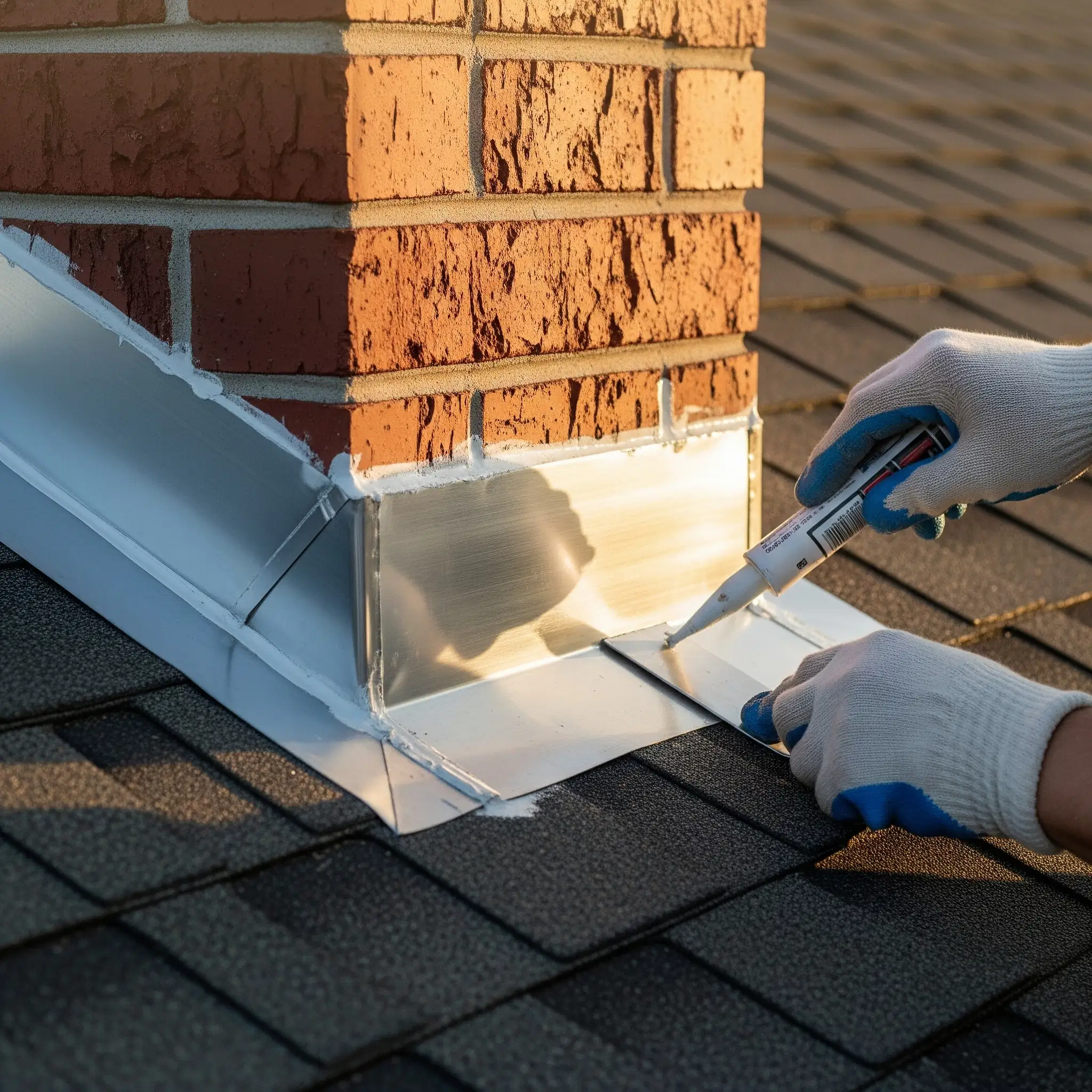
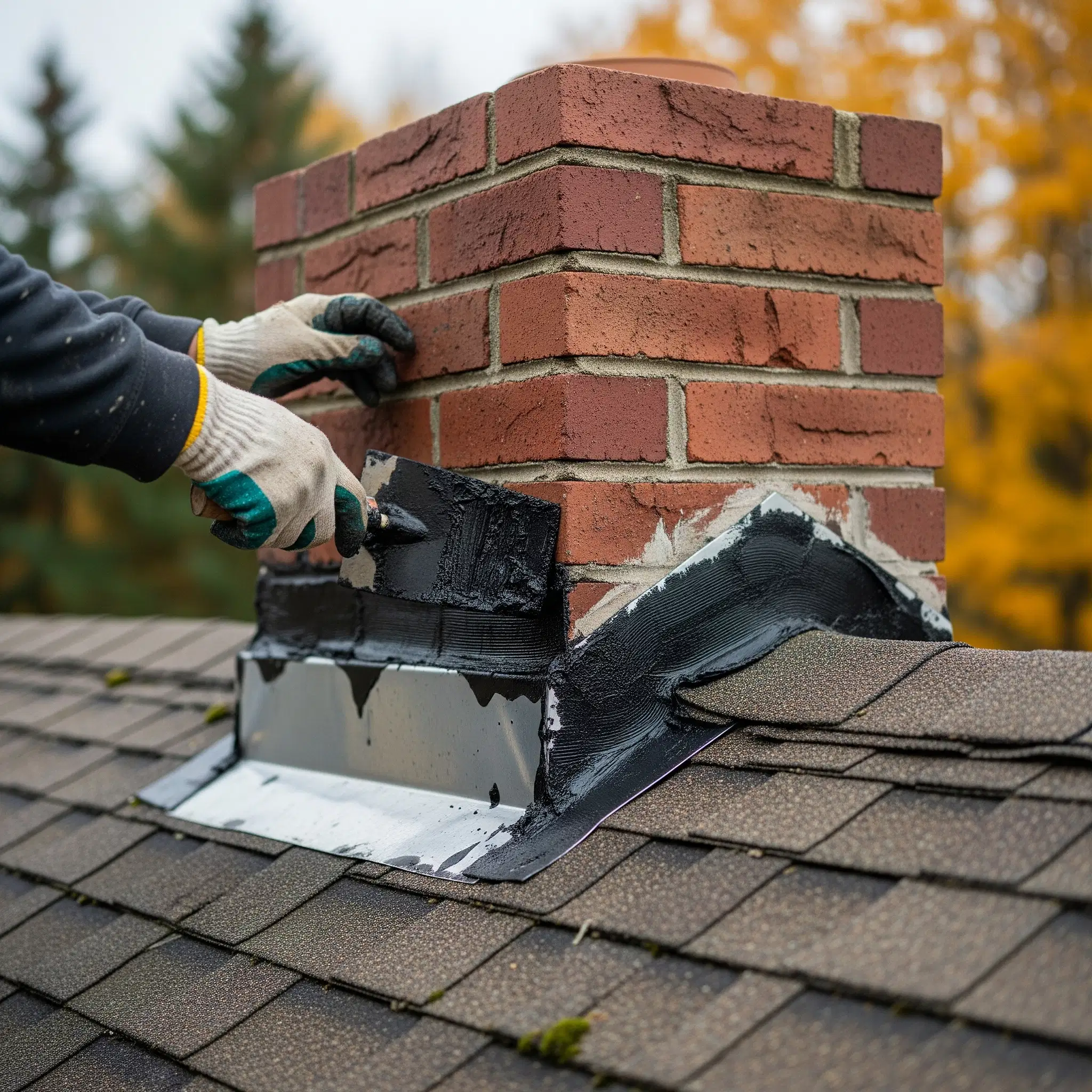
Think of chimney flashing as the waterproof seal that connects your chimney to your roof. It’s a system of layered metal pieces meticulously installed to direct water away from the seam and down onto your shingles. Without it, you’d have a guaranteed leak. A proper flashing system consists of several parts:
- Step Flashing: L-shaped pieces of metal woven into the shingle courses along the sides of the chimney.
- Counter Flashing: A second layer of metal embedded into the chimney's mortar joints, which overlaps the step flashing to create a protective barrier.
- Apron Flashing: A single piece of metal at the base of the chimney on the downslope side.
- Back Pan or Cricket: A small, peaked structure built behind a wide chimney to divert water and debris around it.
Unfortunately, flashing doesn't last forever. Failures often occur due to poor initial installation, where shortcuts were taken. Over time, the harsh Tri-State weather—from scorching summer sun to freezing winter ice—can cause the metal to warp and the sealant to degrade. If lower-quality galvanized steel was used, it can rust through, creating holes that allow water to seep into your attic and walls.
The Silent Crumble: Recognizing Masonry Deterioration
While the flashing is critical, the chimney's brick and mortar are just as important. Masonry is porous, meaning it naturally absorbs a small amount of water. This becomes a problem during our freeze-thaw cycles. Water absorbed by the bricks freezes, expands, and causes the surface of the brick to flake or pop off—a process called spalling. This compromises the brick's integrity and allows even more moisture to get in.
Equally concerning is the mortar that holds the bricks together. Over the years, it can crack, crumble, and wash away, leaving gaps in the joints. Another vulnerable spot is the chimney crown, the concrete slab at the very top. Cracks in the crown act like a funnel, directing rainwater into the chimney structure itself, where it can saturate the masonry from the inside out.
These issues don't just lead to leaks; they can compromise the entire structural stability of your chimney. Catching them early is key to preventing a small repair from turning into a major reconstruction project. A well-maintained chimney not only keeps your home dry but also preserves its value and safety.
Proactive Maintenance: How to Spot Trouble Early
Preventing major chimney leaks starts with proactive maintenance and regular inspections. We recommend a professional roof inspection at least once a year, especially after a harsh winter or a severe storm. An expert can safely get on your roof and spot subtle signs of trouble you can't see from the ground.
However, you can still keep an eye out for obvious warning signs:
- Visible Rust Stains: Dark streaks on your roof below the chimney often indicate failing metal flashing.
- Loose Flashing: Any pieces of metal that appear lifted, bent, or separated from the chimney.
- Cracked or Missing Mortar: Look for gaps between the bricks, especially near the roofline.
- Spalling Bricks: Noticeable chipping, flaking, or pieces of brick on the roof or ground around the chimney.
- Dampness or Stains Inside: Water stains on the walls or ceiling around your fireplace are a clear red flag.
Catching these issues early can often mean the difference between a simple roof repair and a much more extensive and expensive project. A comprehensive roof maintenance program can provide peace of mind by ensuring these critical areas are checked regularly.
Your Trusted Partner for Chimney and Roofing Care
Your chimney and roof work together as a single system to protect your home. When one part is compromised, the entire system is at risk. Ignoring peeling mortar or a small piece of loose flashing can lead to significant water damage, mold growth, and costly structural repairs down the road.
At 513 Roofing, we specialize in diagnosing and resolving complex roof leak issues. Our team has the expertise in both roofing and masonry to ensure your chimney is sealed correctly and built to last. From detailed inspections and minor repairs to complete chimney flashing and masonry work, we provide reliable solutions that protect your investment.
If you've noticed any of the warning signs mentioned above or simply want the peace of mind that comes with a professional assessment, don't wait for a water stain to appear. Contact us today to schedule a comprehensive roof and chimney inspection for your Cincinnati home.